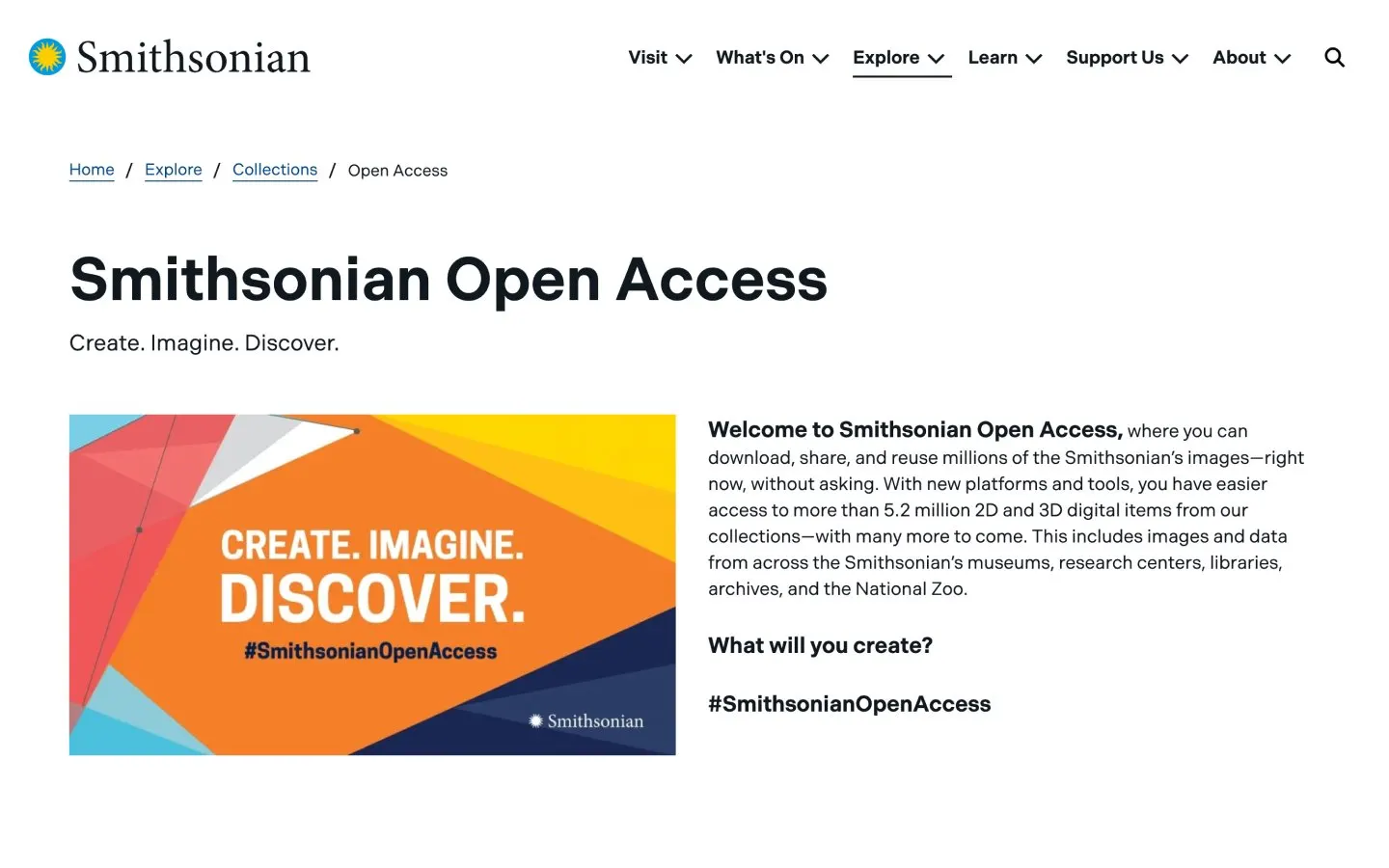
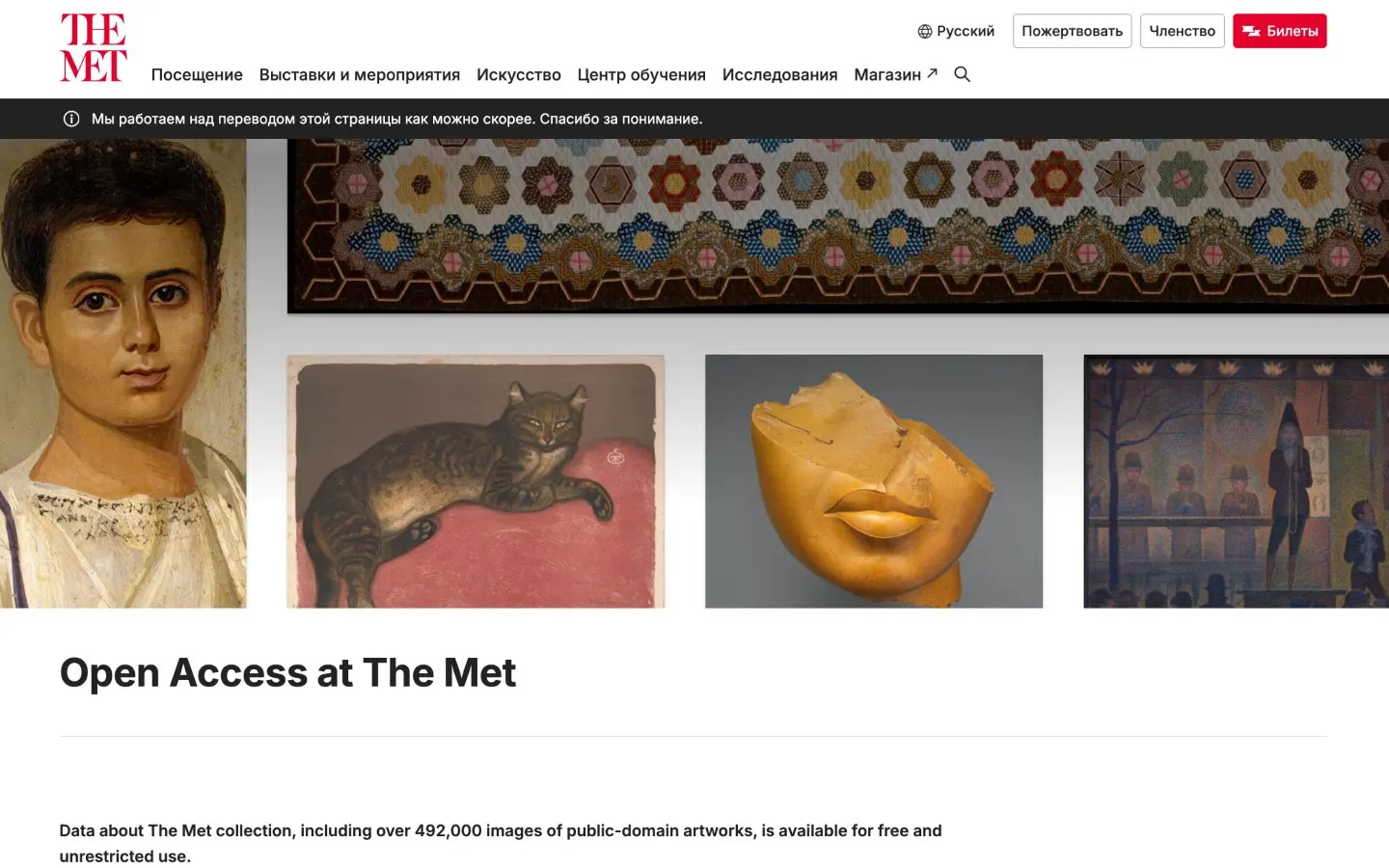
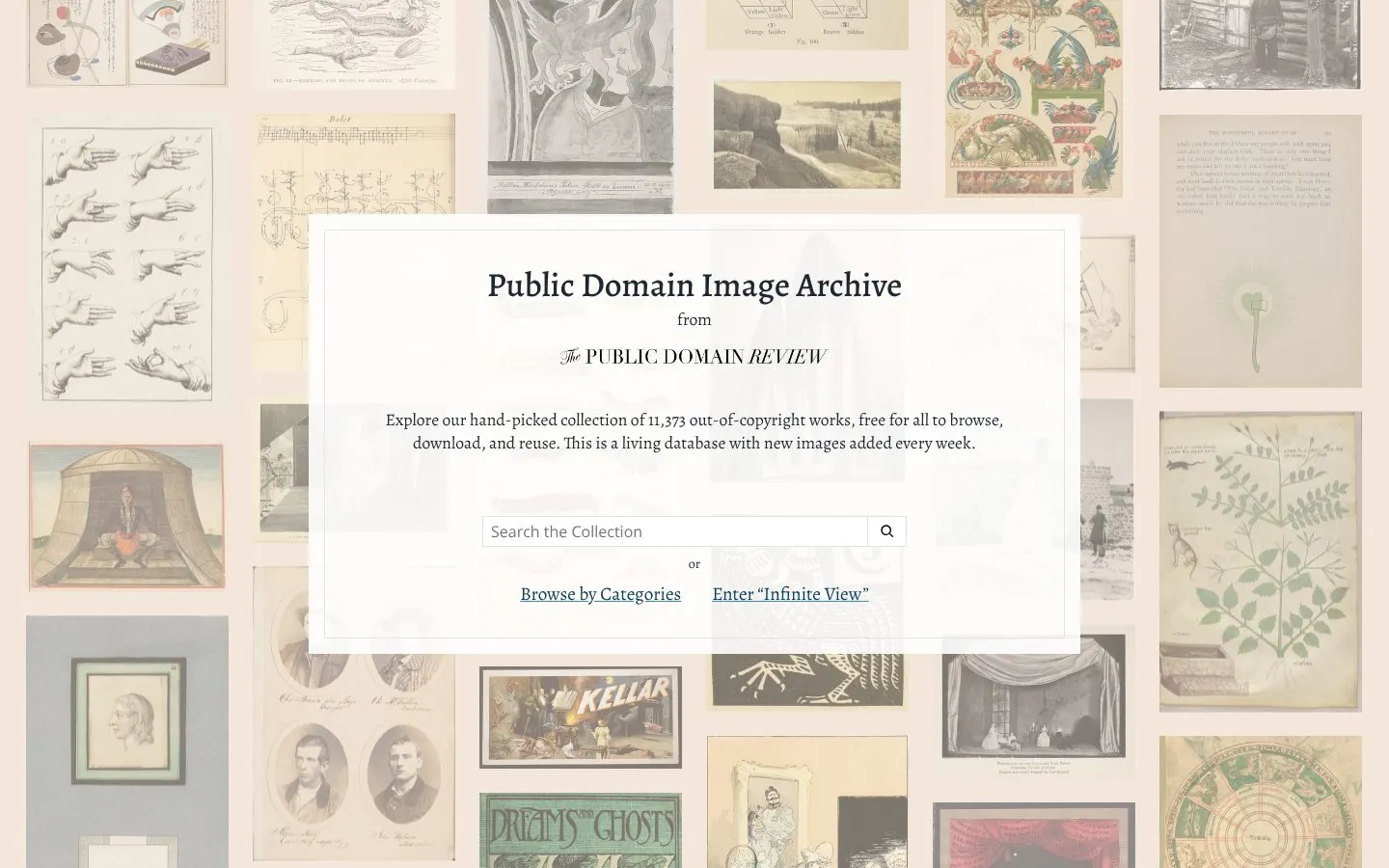
For free photos you can use in commercial work without credit, start with Unsplash. To search several free libraries at once, use Picta. For old artworks, prints and historical photos, go to museum archives in the public domain: Smithsonian Open Access, The Met Open Access and Public Domain Image Archive.
“Free” on a stock site can mean three different things: free for any use, free with attribution, or free only for personal projects. The sections below say which is which.
Stock libraries
Unsplash
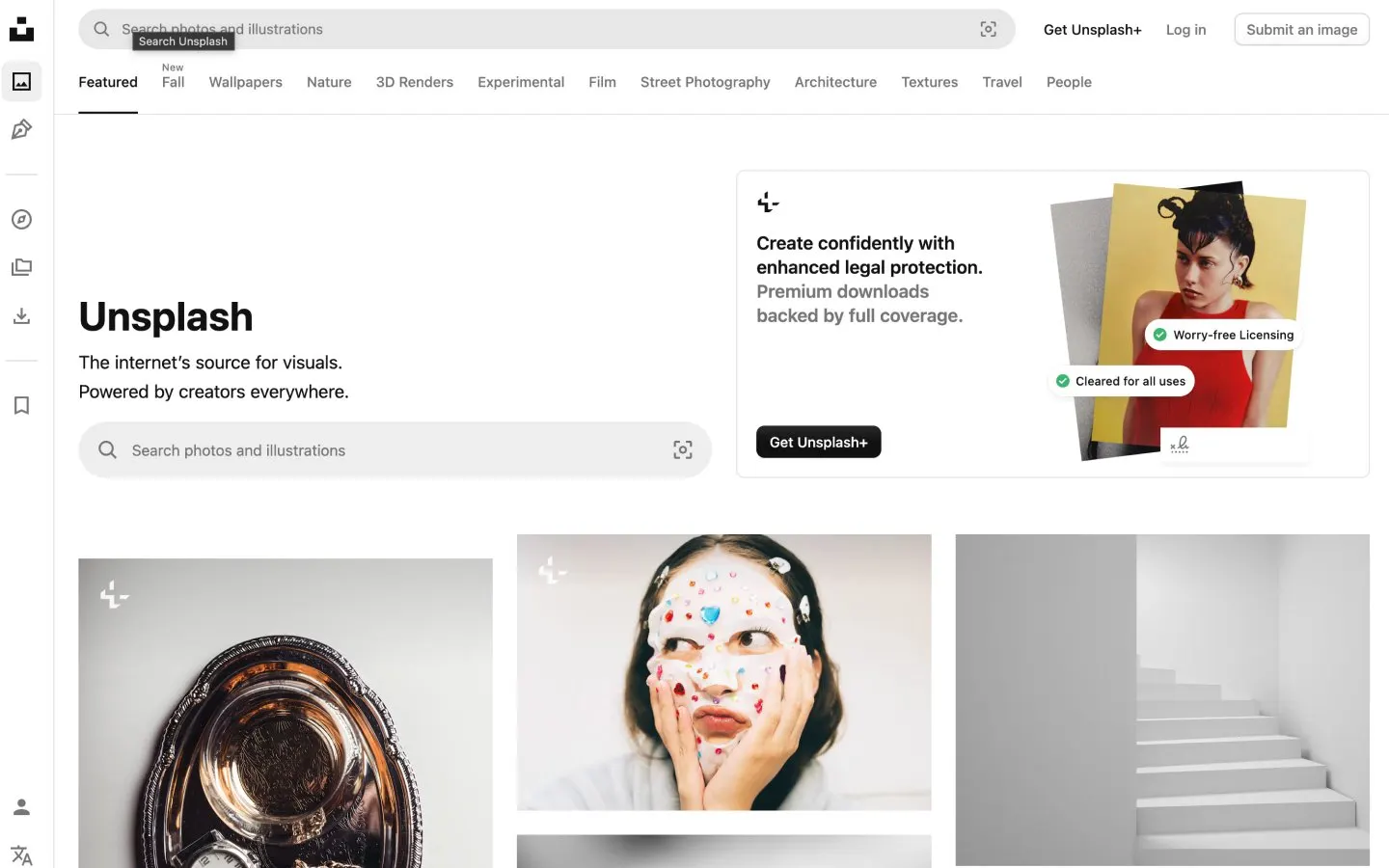
Unsplash is a large library of photographs from working photographers. It is strongest on landscapes, people and workspaces. Under the Unsplash licence you can download and use photos for free, commercially and non-commercially, without asking permission. Attribution isn’t required, though photographers appreciate it.
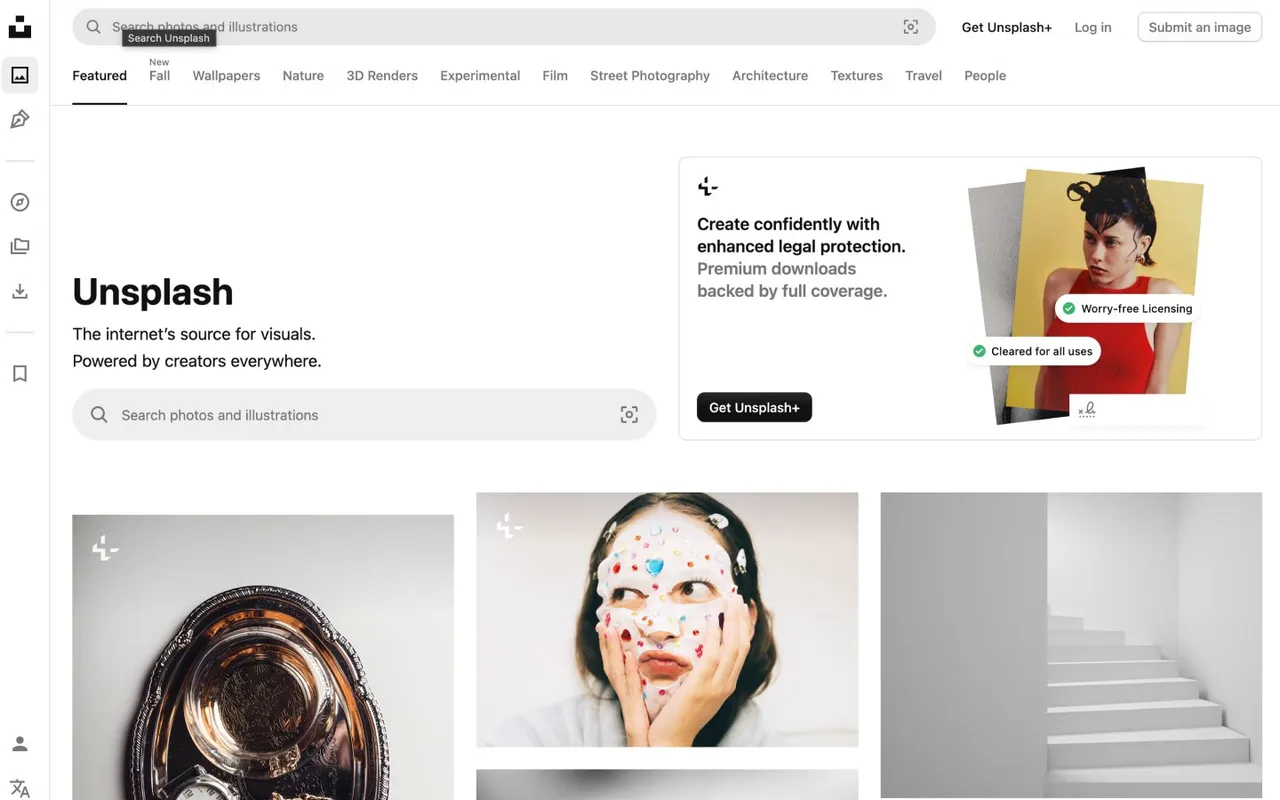
Two things the licence doesn’t allow: selling the photos without significant changes (prints of an unedited photo, for example), and collecting Unsplash photos to build a similar or competing service.
Some photos on the site are marked Unsplash+. These come with a paid subscription and a separate licence that has its own limits, so check the label before you download.
Picta
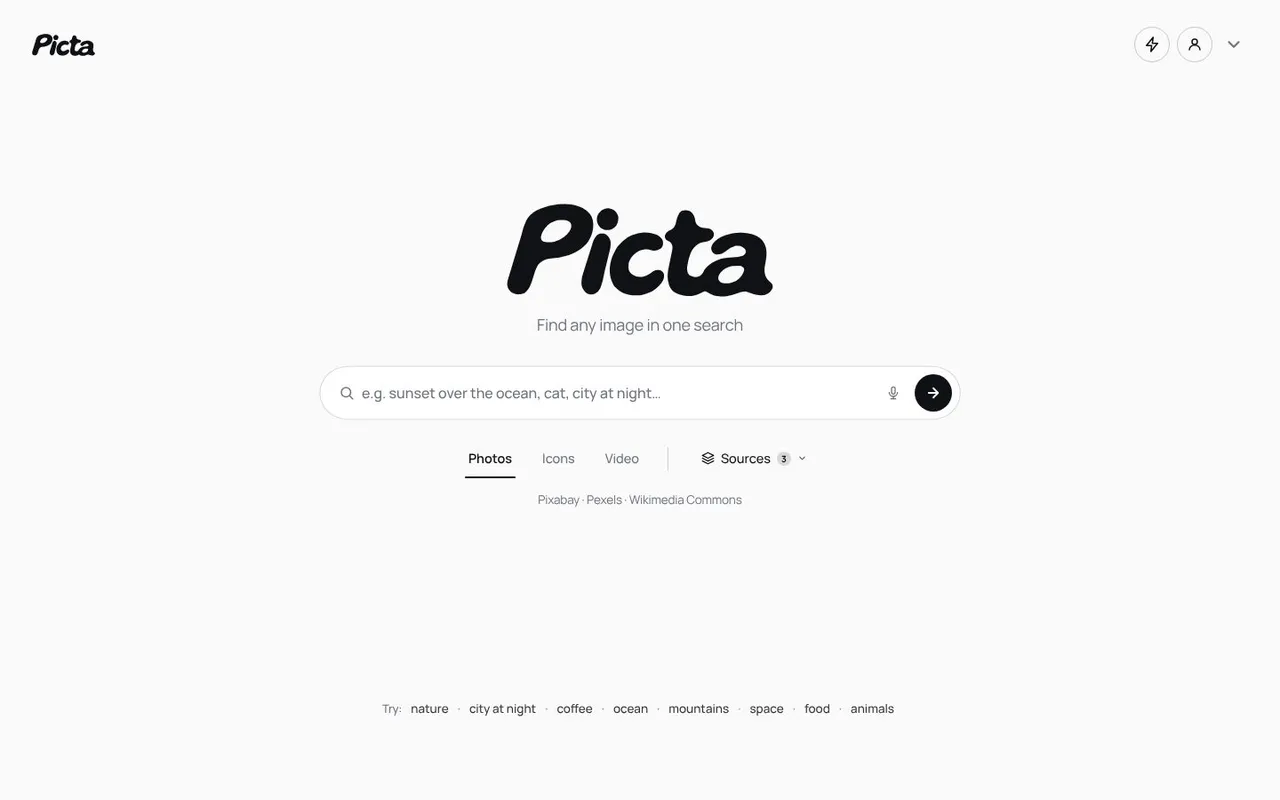
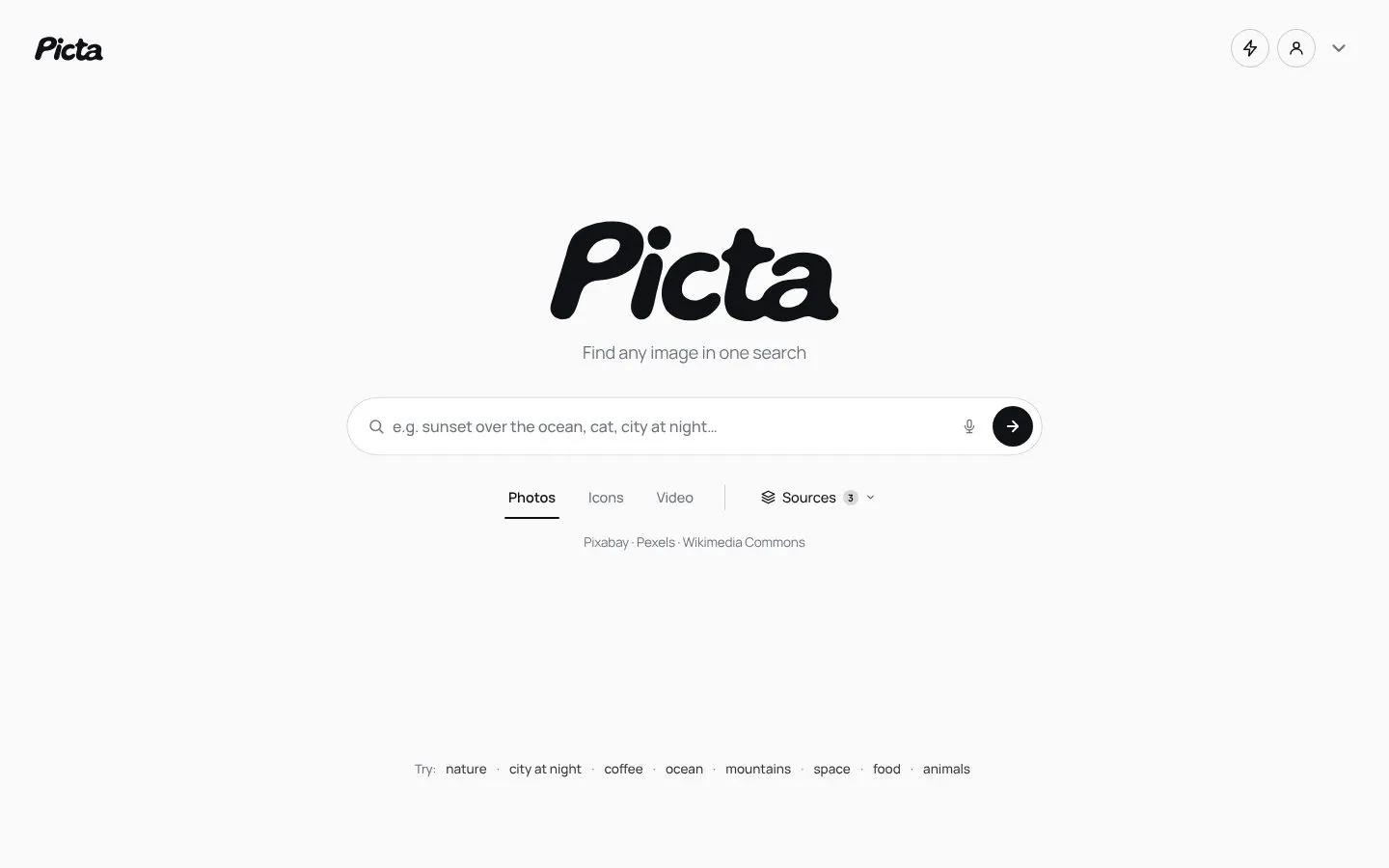
Picta doesn’t host images itself. It searches Pixabay, Pexels, Unsplash, Wikimedia Commons and other free libraries in one go, for photos, icons and video, without an account. It saves opening five tabs when you need something specific. The licence is set by the library the image comes from, so check it on the source page.
Freepik
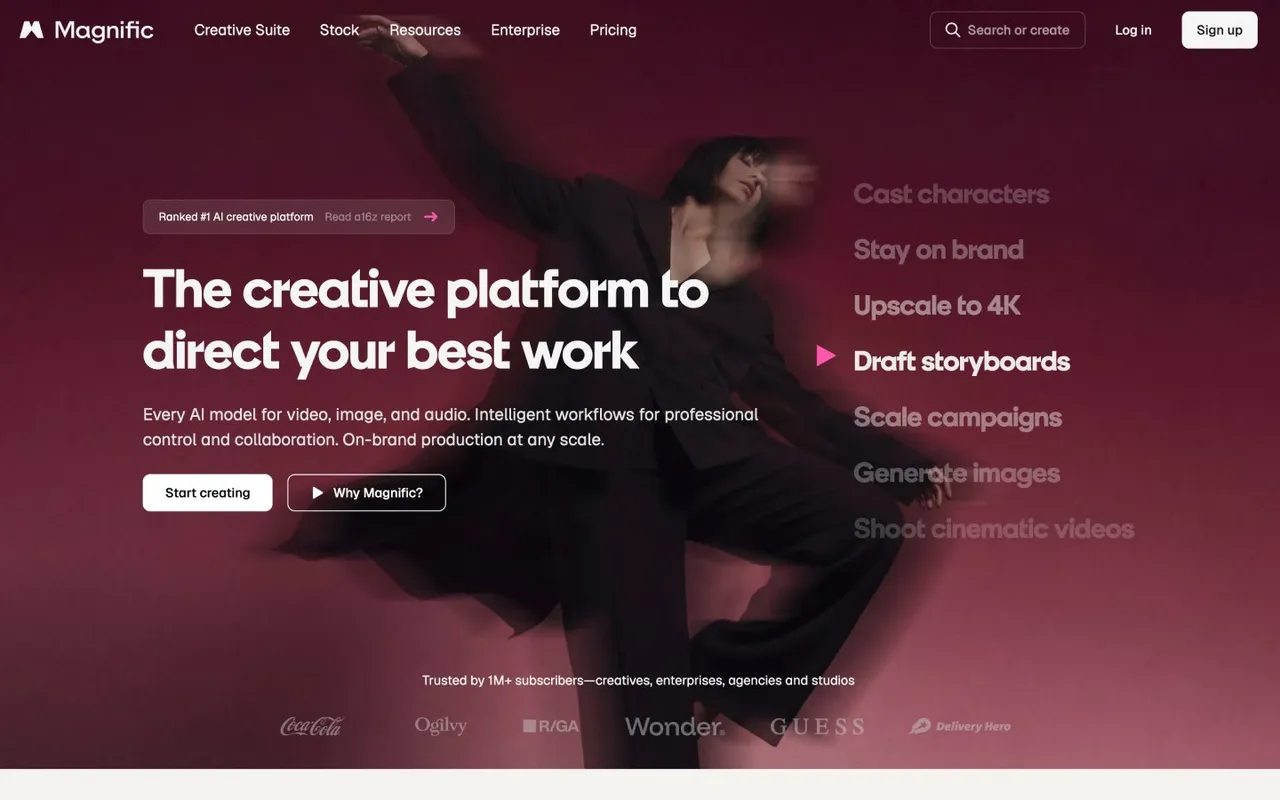
Freepik is a huge catalogue of vectors, PSD files, mockups and photos. The free plan requires attribution. A subscription removes that requirement and adds AI tools. If you can’t put a credit line where the image is used, as in an ad or on packaging, the free plan won’t fit.
Public domain museum archives
Museum archives are the best source of images that no one owns any more: paintings, engravings, botanical drawings, maps, old photographs. They suit editorial work, posters, packaging and backgrounds when you want something that doesn’t look like stock.
| Archive | What’s in it | Terms |
|---|---|---|
| Smithsonian Open Access | Artworks, specimens and historical objects from the Smithsonian | Millions of images in CC0, usable without permission |
| The Met Open Access | Hundreds of thousands of works from the Met collection | Public domain works, free to use |
| Public Domain Image Archive | Hand-picked out-of-copyright prints and photographs, new ones every week | Free to reuse |
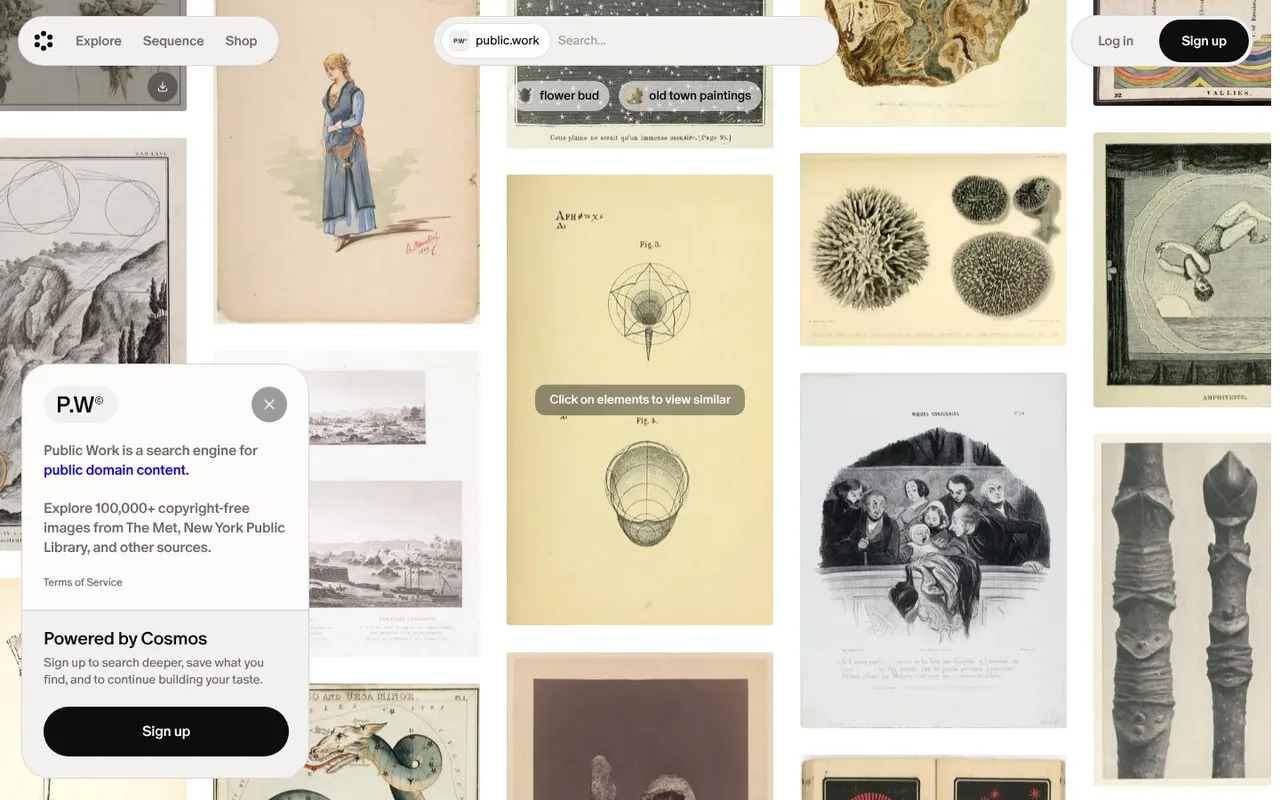
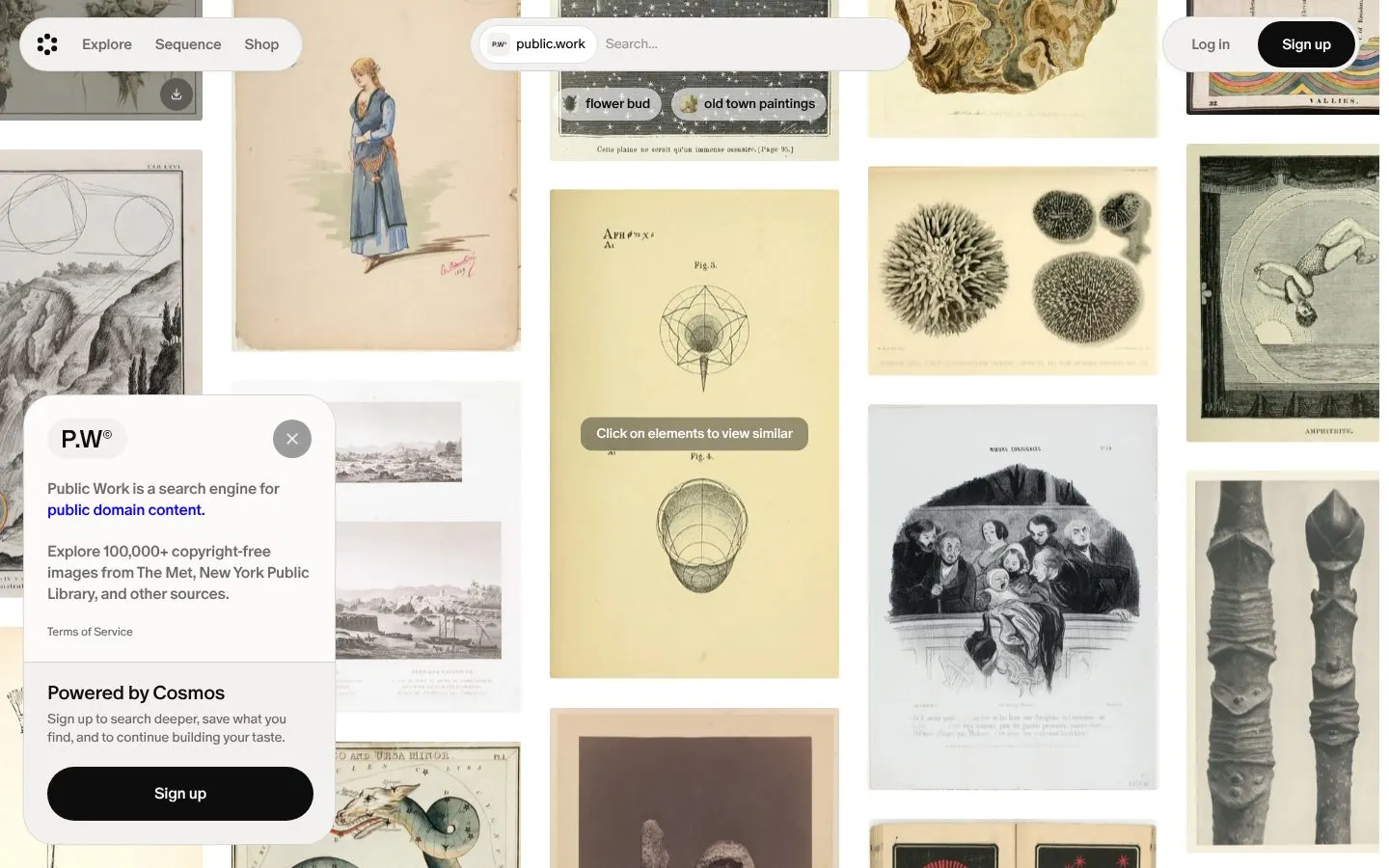
| Public Work | One visual search over the Met, the New York Public Library and other collections | Copyright-free images |
Not every object in a museum’s online collection is open access. Use the open-access filter or look for the CC0 or public domain mark on the object’s page.
Public Work is the quickest way into these collections when you are looking for a mood rather than a specific object: the search is visual, so you can go from one image to similar ones.
Textures and backgrounds
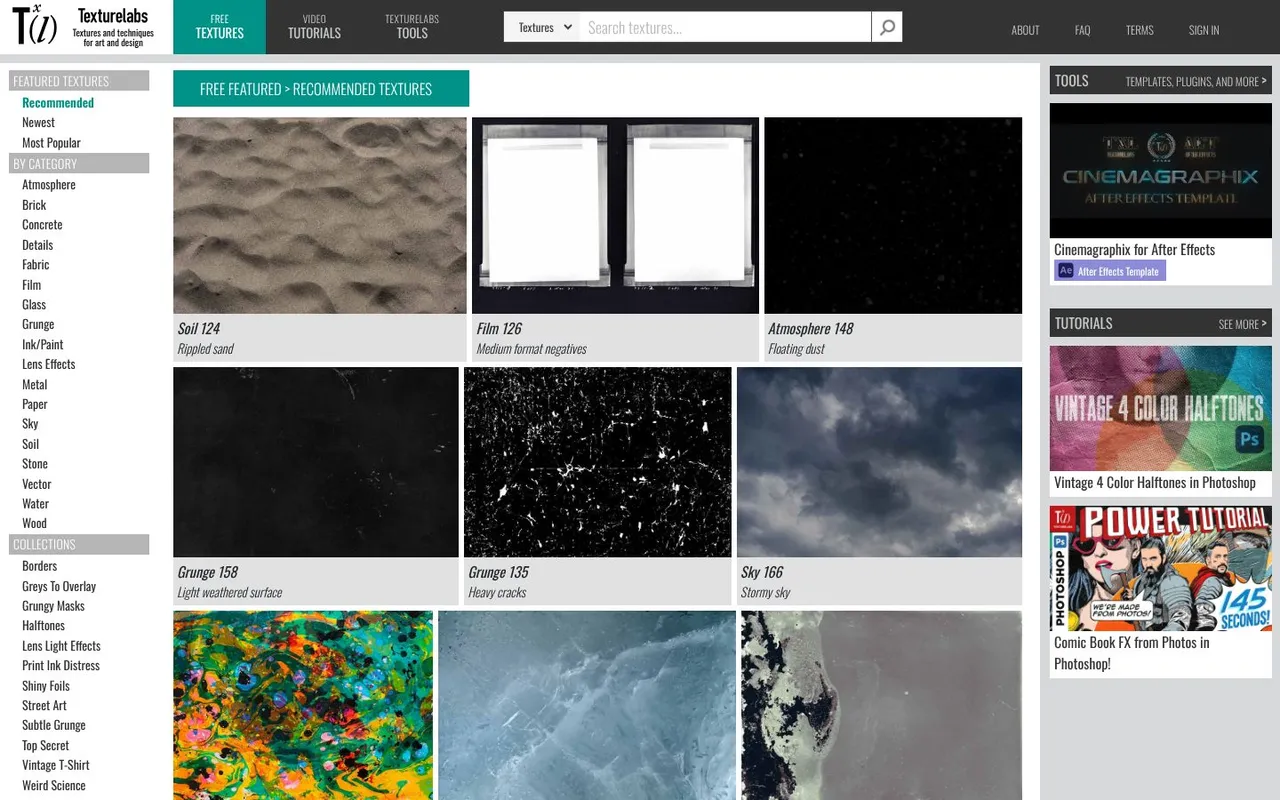
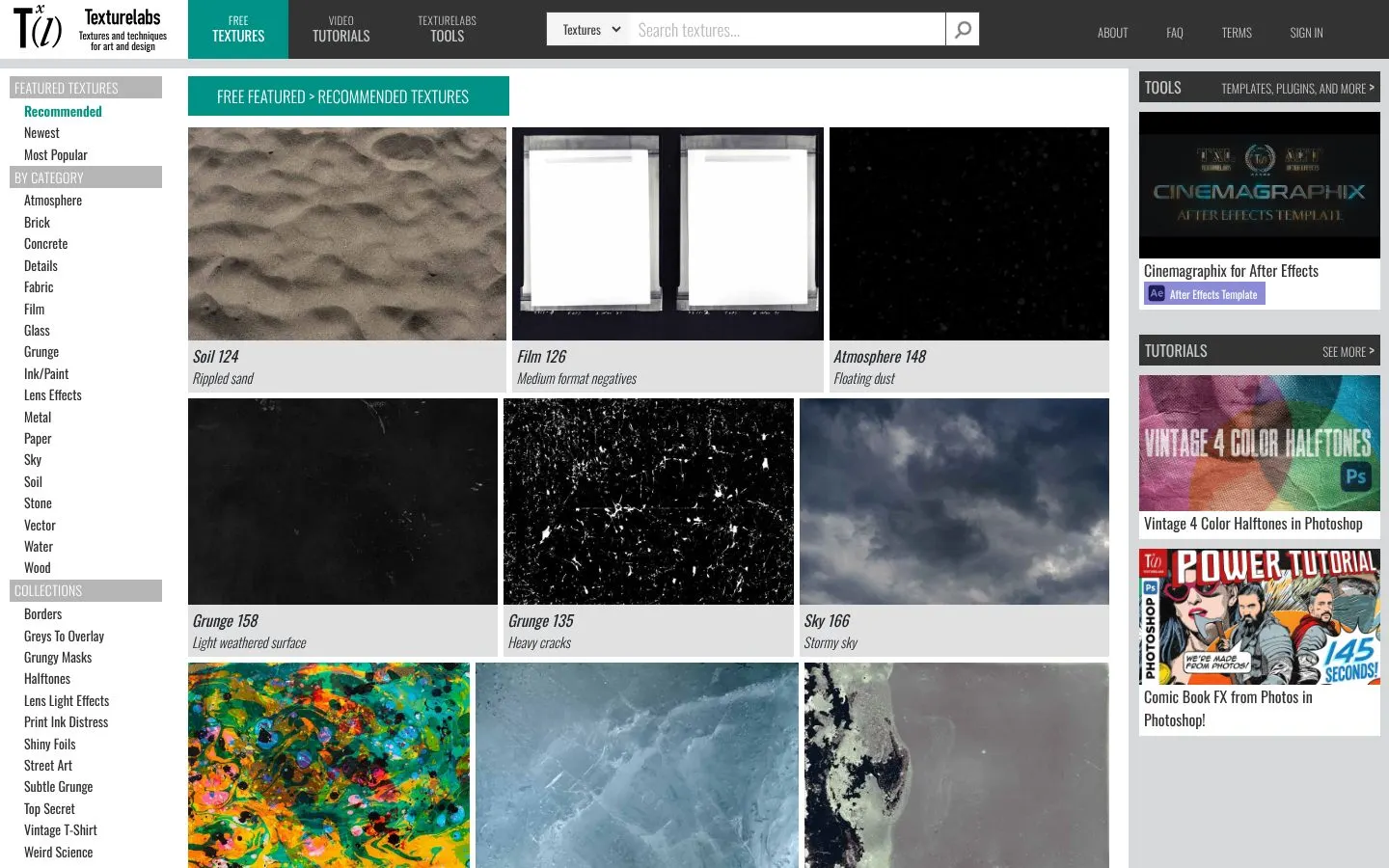
Texturelabs has hand-made textures: paper, concrete, grain, scratches. Most are seamless and large enough for print. They are useful for adding a tactile layer over flat graphics or photos.
Before you use a free image commercially
- Read the licence on the source page, not on an aggregator. Terms can differ between libraries and even between images on one site.
- Look for people and brands. A photo can be free to use while the person in it hasn’t agreed to appear in your ad, and logos or products in the frame may be trademarks. For advertising, prefer images without recognisable people and brands, or ones that come with a model release.
- Don’t resell the image as is. Most free licences allow using a photo in your design, not selling the photo itself, as a print, a template or a stock file.
- Keep a record. Save the link to the source page and the date you downloaded it. If a client asks where an image came from, you’ll have the answer.
More libraries are in the Stock & Assets and Museums & Archives categories.
Common questions
Do I need to give credit when using Unsplash or CC0 museum images commercially?
No. Both the Unsplash Licence and the Creative Commons Zero (CC0) dedication used by Smithsonian Open Access and The Met Open Access allow commercial use without attribution, though crediting the photographer or museum is appreciated.
Can I use a free stock photo showing a person or a brand logo in paid advertising?
Only if the photo includes a signed model release or property release. Copyright permission from a stock library does not waive personality rights or trademark rights of people and brands visible in the frame.
When does Freepik require attribution?
On Freepik's free plan you must include an attribution line next to the image. If you are designing packaging, print ads or UI where a credit line cannot be placed, you need a paid Freepik subscription or a CC0 / Unsplash source.

Comments